The Last Prompt Engineering Guide You’ll Ever Read — Introducing P.R.O.M.P.T
While I find myself quite engaged with the advancements in agentic Large Language Models (LLMs), I can’t help but notice the continuous…
While I find myself quite engaged with the advancements in agentic Large Language Models (LLMs), I can’t help but notice the continuous stream of articles and guides still focused on the basics of prompting. It strikes me as a bit interesting because, from my perspective, even a high-level understanding of how LLMs work points to one fundamental thing: it all comes down to context. I’m constantly prompted to remember just how crucial it is.
Any pattern can (and should) be broken down to principles, and there you have it.
That said, welcome to the first installment of our comprehensive exploration of prompt engineering. This guide introduces the PROMPT framework — a systematic approach that captures the essential elements of crafting effective prompts for generative AI. While prompt engineering techniques may evolve, the core principles outlined in this framework remain fundamental for achieving precision and innovation in AI interactions.Why We Need a Framework, Not a Copy-Paste Attitude
The P.R.O.M.P.T Framework Explained
2.1. Purpose (P)
Define What You Want to Achieve
A clear objective is the cornerstone of effective prompt engineering. Whether you’re generating a technical report, a creative narrative, or even a cybersecurity analysis, specifying your purpose minimizes ambiguity and ensures that the AI aligns with your intended outcome. This focus not only boosts accuracy but also enhances SEO by targeting specific keywords such as prompt engineering best practices and AI interaction strategies.

2.2. Results Format (R)
Specify Your Desired Output Structure
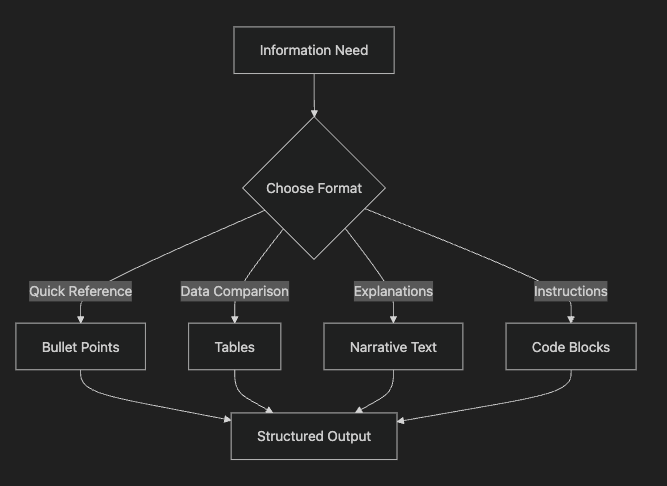
Defining the output format — be it bullet points, tables, or narrative paragraphs — enhances readability and clarity. When you set a clear structure, you reduce cognitive load and ensure that the AI delivers organized, digestible, and actionable information. This step is essential for both user engagement and search engine optimization, as structured data is more accessible for indexing.
2.3. Obstacles & Guardrails (O)
Set Boundaries to Avoid Pitfalls
Every AI interaction comes with risks such as bias, inaccuracy, or unintended content. By incorporating obstacles and guardrails into your prompts, you mitigate these risks, ensuring outputs are both accurate and ethically sound. This risk management approach is particularly crucial in high-stakes fields like cybersecurity. For further scientific context, consider exploring studies on AI vulnerability frameworks such as those discussed in Is AI Inherently Vulnerable?.

2.4. Mindset & Context (M)
Provide the Necessary Background and Tailor to Your Audience
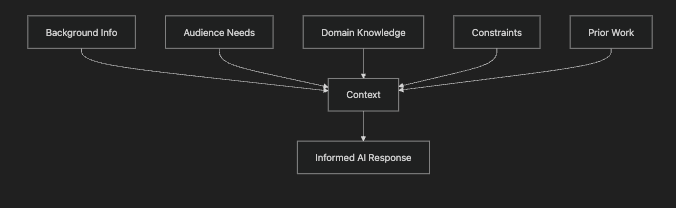
Context is king. Whether addressing a technical audience or a broader readership, providing background details ensures that the AI grasps the nuances of your request. Tailoring your prompt not only enhances relevance but also improves SEO by incorporating long-tail keywords and context-rich language.
2.5. Particular Preferences (P)
Express Your Stylistic and Subjective Requirements
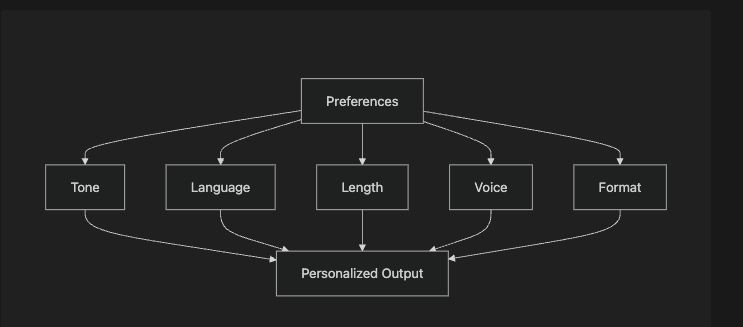
Personalization matters. Detailing your stylistic preferences — whether it’s the tone, language, or specific formatting — ensures that the output meets your high standards. This customization is key to producing content that resonates with your audience while also aligning with SEO best practices through consistent keyword usage and brand voice.
2.6. Technical Details (T)
Incorporate Industry-Specific Language and Parameters
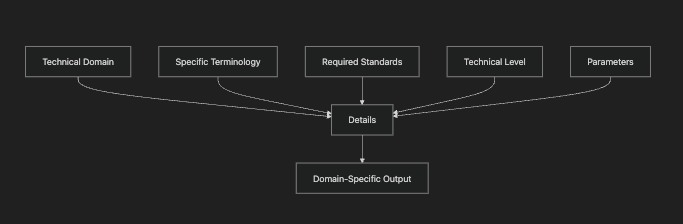
In technical domains, precision is non-negotiable. Integrating specific terminology, parameters, and detailed instructions bridges the gap between general AI capabilities and specialized industry needs. For professionals in cybersecurity and red teaming, this level of precision is essential.
Additional insights can be found on resources such as GPT-01 and the Context Inheritance Exploit: Jailbroken Conversations Don’t Die.
3. Why These Principles Matter
The PROMPT framework is more than just a set of guidelines — it’s a synthesis of best practices grounded in established theories like goal-setting, cognitive load management, risk mitigation, and contextual analysis. Whether you’re delving into the intricacies of cybersecurity or refining digital marketing strategies, these principles ensure every prompt is efficient, resilient, and ethically sound. By integrating both scientific research and my personal experiences, PROMPT empowers you to achieve more reliable AI interactions while enhancing your content’s SEO and credibility.
4. Looking Ahead: Part 2
This is just the beginning. In Part 2 of our series, I’ll explore real-world use cases that demonstrate how the PROMPT framework translates into tangible results across diverse domains — from digital marketing and cybersecurity to scientific research and legal drafting. Expect detailed technical breakdowns, practical command-line outputs, and actionable insights that underscore consistency, precision, and innovation in AI-driven projects.
5. References
How I Jailbreaked the Latest ChatGPT Model Using Context and Social Awareness Techniques
The Hidden Risks of AI: An Offensive Perspective
Is AI Inherently Vulnerable?
GPT-01 and the Context Inheritance Exploit: Jailbroken Conversations Don’t Die
Hakin9 — LLM Mayhem: Hacker’s New Anthem
Pentest Magazine — Design Your Penetration Testing Setup
OpenAI Cookbook — Prompt Engineering: A comprehensive resource offering practical guides and examples for effective prompt creation. (https://cookbook.openai.com/)
Prompt Engineering Guide: An extensive open-source guide detailing techniques and best practices in prompt engineering. (https://www.promptingguide.ai/)
Research Paper: “Pre-train, Prompt, and Predict”: A systematic survey of prompting methods in Natural Language Processing. Available on arXiv: https://arxiv.org/abs/2107.13586
Google AI — Prompt Engineering: Official documentation from Google providing insights and best practices for their AI models. (https://developers.google.com/learn/prompt-engineering)
Harvard Business Review: The Power of Prompts: An analysis of prompt engineering’s strategic importance in business applications. (https://hbr.org/2023/09/the-power-of-prompts-how-to-get-the-best-results-from-ai-language-models)
Purpose (P): Locke and Latham’s research on goal-setting theory demonstrates how clear, specific goals improve outcomes. (https://psycnet.apa.org/doiLanding?doi=10.1037%2F0033-2909.90.1.125)
Results Format (R): Information architecture research shows how structured presentation enhances comprehension. (https://www.nngroup.com/articles/information-architecture/)
Obstacles & Guardrails (O): Research on AI safety explores mechanisms for preventing harmful or biased outputs. (https://arxiv.org/abs/2305.15033)
Mindset & Context (M): Communication studies research highlights context’s vital role in effective communication. (https://www.thoughtco.com/what-is-context-in-communication-3026253)
Technical Details (T): API documentation and community resources demonstrate the importance of precise technical instructions in AI interactions. (Example: https://platform.openai.com/docs/api-reference)
Featured Writing and Publications:
- How I Jailbreaked the Latest ChatGPT Model Using Context and Social Awareness Techniques
- The Hidden Risks of AI: An Offensive Perspective
- Is AI Inherently Vulnerable?
- GPT-01 and the Context Inheritance Exploit: Jailbroken Conversations Don’t Die
- Hakin9 — LLM Mayhem: Hacker’s New Anthem
- Pentest Magazine — Design Your Penetration Testing Setup
About the Author
Kai Aizen (SnailSploit) is a cybersecurity specialist, social engineering lecturer, and offensive security analyst. Kai combines academic research with hands-on security experience. As part of Snailbytes, he explores the intersection of AI and cybersecurity, examining how emerging technologies shape our digital landscape. His insights are shared across platforms including Hakin9, Pentest Mag and GitHub, where he contributes to understanding adversarial AI and cybersecurity vulnerabilities.